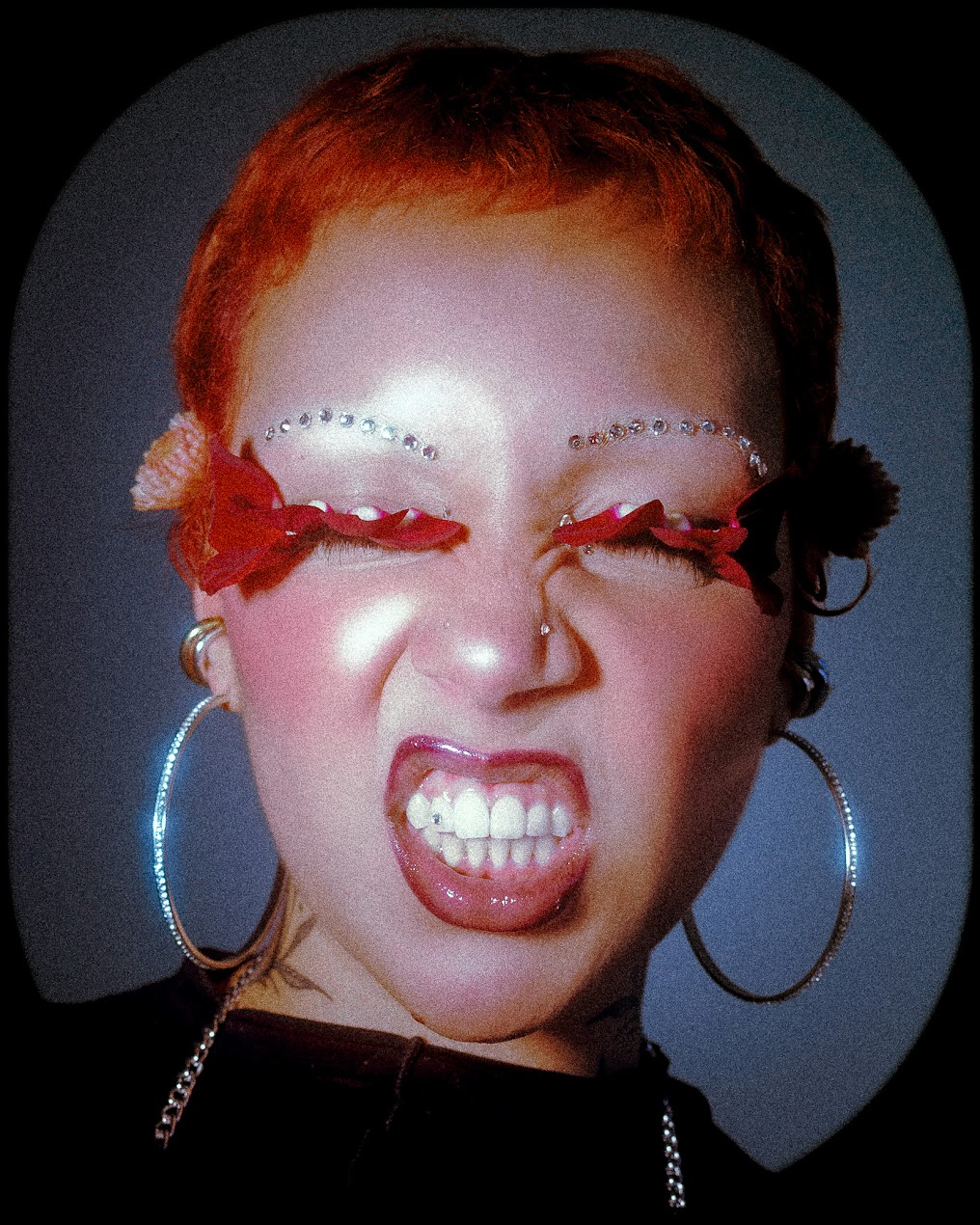
Formerly performing under her given name, Julia Pratt, JULITH reintroduces herself to reclaim her identity, her art, and her narrative with her debut EP, This Is A Kindness. The seven-track project confronts the pain and resilience embedded in the female experience, carving out a sanctuary for healing and self-reclamation. As both a survivor and an active victim advocate, JULITH offers an unflinching examination of the societal normalization of abuse against women and children–transforming private traumas into a communal, cathartic, and ultimately empowering call to action.
“It is painful, it is angry, it is cathartic–it’s burning down what I knew and building something new from the ashes,” the LA-based artist and songwriter shares. “Sometimes the kindest thing we can do is tell the cold, hard truth.”
With the release of This Is A Kindness, she ventures into new musical territory, challenging the personal and perceived boundaries that shape both her artistry and her identity.
Growing up in a women-only household and serving as a fellow advocate against domestic violence, I felt an immediate pull to this interview. It felt essential to provide a platform for her story; in our current climate, speaking up on these issues and fostering safe spaces for women is more than important.
When she joined our call, she beat me to the universal “How are you?”. From the moment we were introduced, I knew this conversation would be one for the books; her positive energy radiated through the screen, instantly brightening my dark bedroom.
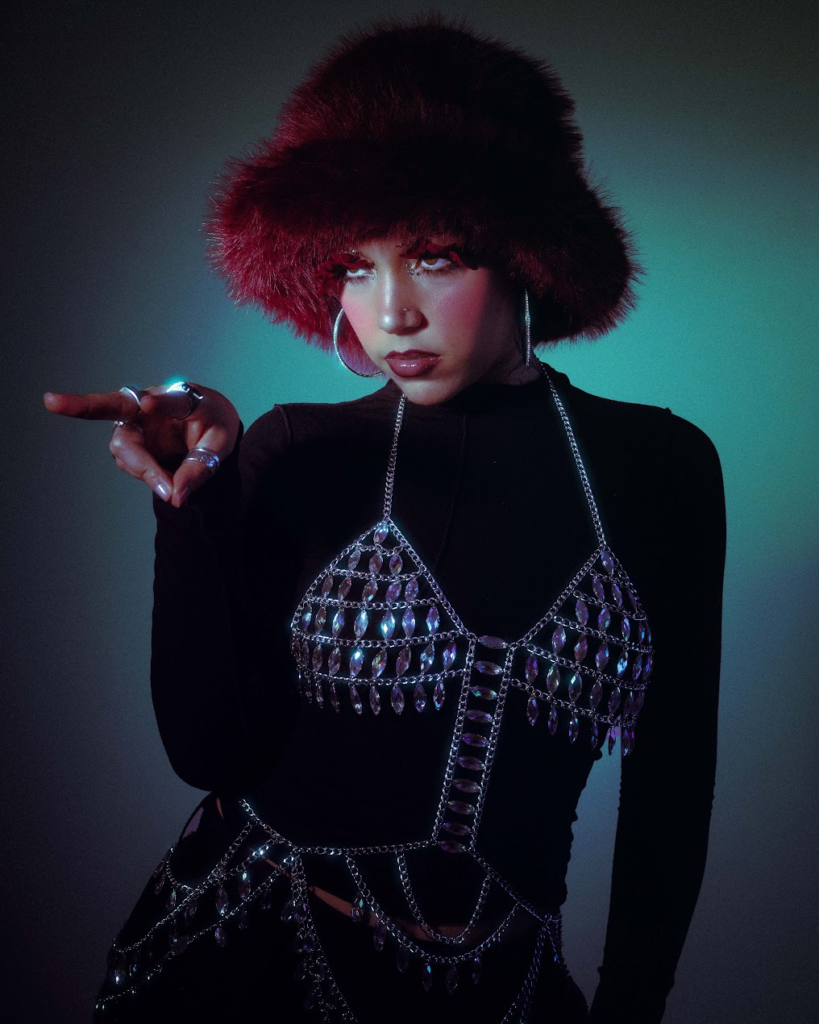
JULITH first realized music was her calling while performing in a high school a cappella group. “I just had so much fun being on stage and connecting with people through song,” she recalls. She debuted at 17 with “All The Girls Are Crazy,” and her trajectory has only climbed since. From performing sold-out shows and opening for her favourite artists to collaborating with indie-rock mainstays Mt. Joy on the 2023 track “A Little Love,” JULITH is no longer just finding her voice–she is using it to lead.
Alana:
How does your songwriting process now differ from how it looked back then?
JULITH:
Oh my god–completely. I used to write all of my songs totally solo, and it was something I held onto as a point of pride, like, “I’m a songwriter, I do this by myself.” That has its merits, for sure, but it was also a little limiting.
Over the last couple of years, I’ve learned that collaboration is everything to me. When it comes to making the music I want to make, it’s so much more rewarding to work with other people. Getting to step outside of my own box and incorporate other people’s worldviews, musicality, and lyricism into my work just makes me a stronger artist.
Alana:
What has been your favourite collaboration you’ve done?
JULITH:
From my older catalogue, I collaborated with Mt. Joy, and that honestly changed my life. Matt is amazing, and the whole team really supported me throughout my career.
More recently, on this EP, I worked with a producer named Arisa. He co-produced the entire project and co-wrote all the songs with me. That collaboration expanded my musicality and artistry to levels I didn’t even know I could reach. Those are definitely my two most rewarding collaborations.
Alana:
When you think about your younger self as an artist, what do you feel like you’re still trying to figure out?
JULITH:
Her voice. How she wanted to say what she wanted to say. It takes so much time to define an artistic voice. Early in my career, I put a lot of pressure on myself to have it all figured out, and I was very harsh and judgmental toward everything I made.
Now I’m realizing it’s an ongoing process. I can write a song that feels amazing in the moment, then listen the next day and think about what I’d change–and that’s okay.
I think it’s about allowing the art to flow. I believe art is something cosmic, we all have this capacity to create and transform. I’m learning to be gentle with that gift, and I’d send that same energy back to my younger self.
Alana:
What has helped you shape your confidence and evolve your voice since those early releases?
JULITH:
Honestly, living my life outside of music. That’s part of why I started JULITH and stepped away from my previous artist project for a while–I needed separation between my life and my art.
Over the past couple of years, I’ve realized how important it is to have a life outside of music, while still integrating life into it. Being a person comes first. I’ve been doing a lot of work on myself. Healing, having fun, experimenting.. and all of that makes me a stronger artist.
Alana:
What do you like doing outside of music?
JULITH:
I love animals. I’m a cat mom. I love being in nature, sitting under a tree and remembering I come from the ground.
I’m also a victim advocate, so I spend time volunteering in that role. And I love creating worlds in my head. Creative direction is something I’m really passionate about. I’ve started doing that not just for myself, but for others too, which has been really rewarding.
Alana:
With this new chapter, what does JULITH represent?
JULITH:
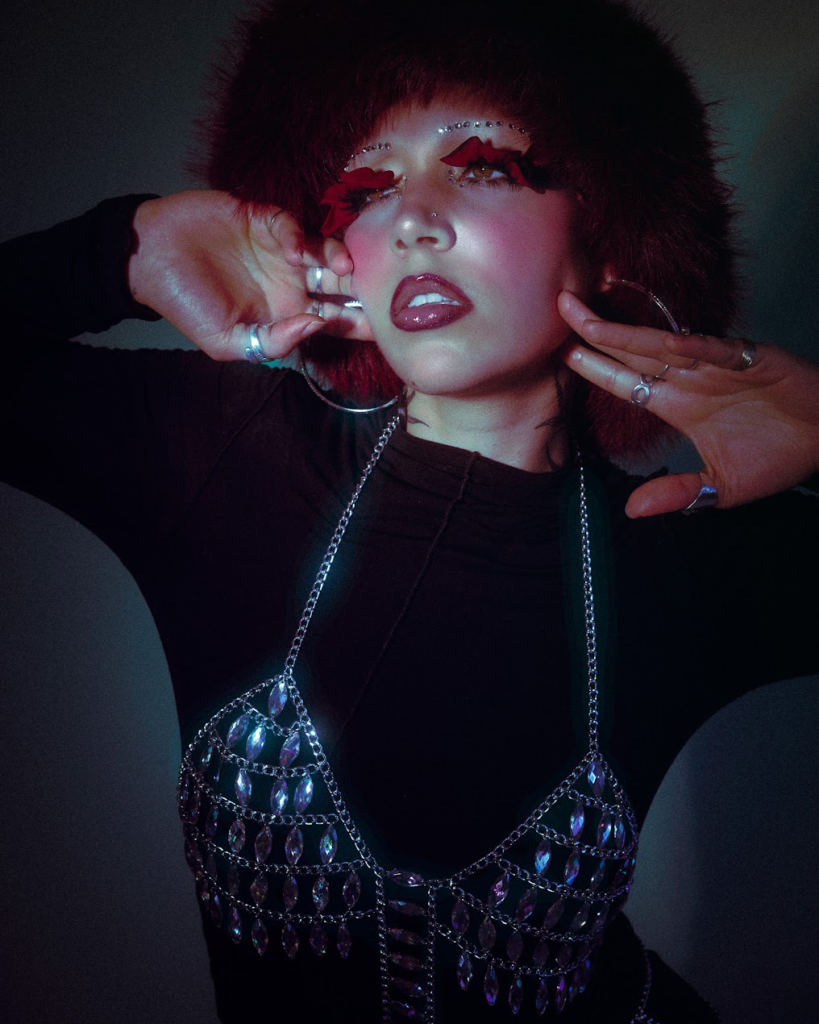
JULITH represents reclaiming myself, my art and my story. It feels expansive and not boxed in. I get to explore different types of music and visuals that I’m drawn to.
It feels like I can do anything my heart desires–like reclaiming that childlike wonder we have as kids. It’s really about rediscovering joy in creation.
Alana:
I heard that jazz was your first love.. Is there a specific record or song that feels like home to you?
JULITH:
I grew up playing saxophone and listening to a lot of John Coltrane. His rendition of “Summertime” really soundtracked my childhood. There’s something so special about it, that was definitely my first love.
Alana:
Outside of jazz, what other genres or artists have influenced you?
JULITH:
I grew up listening to jazz and a lot of classic rock: The Who, The Doors, Bruce Springsteen, Bob Dylan, Crosby, Stills & Nash, Dolly Parton. Just a really eclectic mix.
Then when I started discovering music on my own, it was singer-songwriters like Adele, Sara Bareilles, and Avril Lavigne who really inspired me, especially how they express girlhood and womanhood. I remember thinking, “I want to do that.”
Alana:
You’ve spoken about the tension between making art that feels true to you versus what you think people will connect with. When did that shift click for you?
JULITH:
Honestly, when I started rolling out this EP. It taught me a lot about myself and how I was approaching releasing music.
Before, I focused too much on how others would perceive my work, and even when things did well, I felt unfulfilled. It wasn’t about the music, it was about my intention behind it.
With this EP, I realized: this is for me. And that’s okay. Yes, it’s an industry, but as artists, we have to prioritize how we feel about our work–otherwise, what’s the point?
Alana:
As a victim advocate, has that role influenced how you approach songwriting or share your music?
JULITH:
Definitely. It’s shown me how interconnected we all are. Seeing people at vulnerable moments, reaching out for help, is incredibly powerful.
It’s easy to disconnect from our past or what we’ve survived, especially in today’s world. That role has deepened my understanding that art matters. It can impact people.
Now, when someone hears my music, I want them to feel seen. I want to create a space where they can explore emotions and leave feeling more empowered.
Alana:
As you keep growing as an artist, how do you evolve creatively while staying true to yourself?
JULITH:
Collaboration is a big part of evolving creatively. Working with visual teams, musical teams, and inviting different energies in.
To stay true to myself, I follow a mission statement. With every release, I ask:
Does this align with my values?
Does it support the causes I care about?
Does it help me heal?
Asking those questions and trusting the people I work with helps me stay grounded.
Alana:
Is there anything ordinary that gives you inspiration?
JULITH:
Nature, definitely. The sky inspires me so much. Watching clouds move and change–it’s wild.
It reminds me that everything is fluid. Just like the sky changes, we change too. There’s something really grounding about that, it brings me back to being human.
At its heart, this EP is a masterclass in accountability. JULITH utilizes these seven songs to dismantle the quiet acceptances of everyday injustice, replacing them with a fierce commitment to collective healing. The project builds a blueprint for reclamation, highlighting the fractures in our society. As we sat down to discuss the work, the weight and necessity of these themes became the focal point of our talk.
Alana:
Let’s talk about your EP. I have to say, I got goosebumps listening to it. My favorite track is “Monsters Out of Men.” But I want to know your personal favorite.
JULITH:
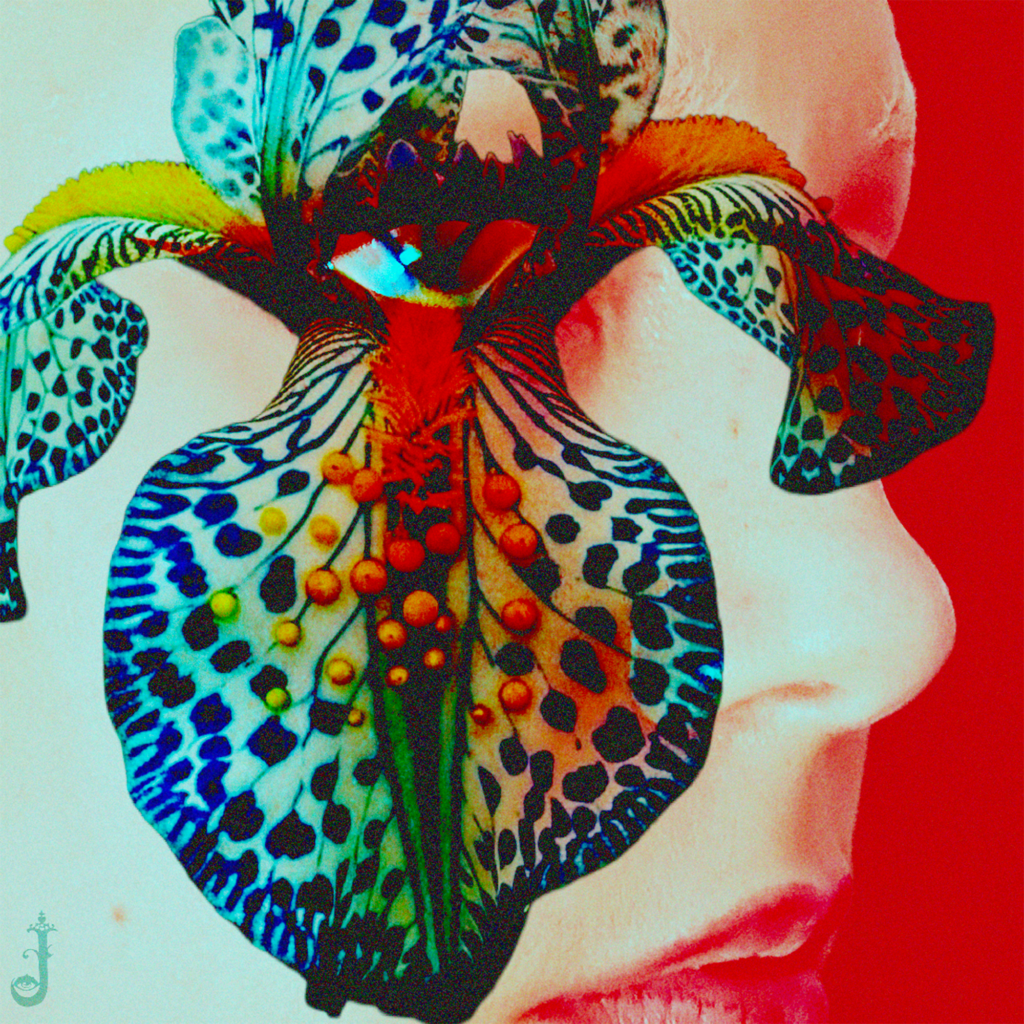
I’m a sucker for “Phantom Limb.” It connects me to my jazz roots, and I love a good ballad.
This project is very genre-fluid, and that track just hits differently–it’s hypnotic, a little sexy, a little sad. It just does something for me.
Alana:
What was your favorite part of making this EP?
JULITH:
Honestly, I feel like it was being in the room with my collaborators. I had so much fun making this project. It’s kind of crazy to look back in hindsight because the themes are really heavy, but you can feel the joy that we had talking about it and making the music. It was so freeing, and I think it was creatively freeing for all of us.
The universe brought us together at this point where I think we were all wanting to try some new shit, and we got to do that together. Some of my fondest memories are just giggling and doing background vocals with my collaborators and just having the best time.
Alana:
But on the flip side, what was the hardest moment during the process?
JULITH:
I think it was recording “Monsters Out of Men.” We wrote that song, and I remember having to step out a couple times and really… I think I would just go sit in the grass and think about what was happening.
It was a really heavy day on so many levels. But at the same time, I had a really strong intention going into that session. I knew I wanted to write about sexual abuse. I knew I wanted to tell my story in a very candid way for that song.
So there was a lot of purpose behind it, and I feel like my collaborators really showed up for me—reminding me, “This is why we’re doing this, and we’re here for you if you need to take a break.” They held true to that, and it turned something that felt really heavy and complicated into something that felt really cathartic.
Alana:
Going into the process of making the EP, did you always know it would take this emotional arc–like the balance of anger, pain, release, confrontation, and healing–or did it reveal itself as you were making it?
JULITH:
It totally revealed itself. We went into these sessions not knowing we were making a project. We were just like, “Let’s make this together.”
After our third song, we started to realize, “Okay, there’s a theme here.” Honestly, the project is just so representative of where I was at that time. I was in a really pivotal, transformative phase in my life where I was getting real with myself.
I just knew I wanted to make something honest, whatever that looked like. I was feeling really angry and really dissatisfied with a lot of areas of my life that the EP explores. It just took shape in the most authentic and effortless way.
Looking back, it’s such a time capsule of exactly where I was. I still resonate with so many parts of it, but it really took on a life of its own and I’m grateful it happened organically.
Alana:
Can you tell me more about the title? I read that it’s a Doctor Who reference!
JULITH:
Yes! I love this question. I’m a big Doctor Who fan. I grew up watching it.
There’s this episode, one of my favorites, where they travel to this quarantine planet. There’s this plague that’s ravaged the entire place, and the whole planet is basically a facility. There are these robots walking around, and if they see a living person, they inject them with a lethal dart, saying, “This is a kindness, do not be alarmed,” because it’s kinder to let them die quickly than suffer from the plague.
When I was thinking about what this project represented to me, it became clear that it was an exposé on a part of my life I’d been really silent about and ashamed of. It explores anger, rage, disappointment, betrayal. Things that are really uncomfortable to talk about.
I thought about that episode, and I was like.. It’s kinder to tell this really cold, hard truth about what’s happening behind closed doors than to mask it and pretend it’s not happening. Sometimes you have to cut out the wound in order to heal.
That’s what this project represents. I had never said a lot of this shit out loud before making it. I had definitely never screamed in a song. And being a woman, that’s something I was taught we don’t do–we don’t embody anger or pain publicly. Pain is supposed to be private.
I disagree with that so fully. So that idea that it hurts before it heals felt like it summed up the emotional tone of the project.
Alana:
Since you’re a Doctor Who fan, if you could time travel what era would you go back to?
JULITH:
That’s such a good question. This might sound crazy, but I’d go back to hunter-gatherer times.
I think there was such a deep connection to the land before the agricultural and industrial revolutions, when we were just fully integrated with the earth. I’d definitely miss plumbing and grocery stores, but it would be really interesting to experience what we fundamentally are just part of the earth.
Alana:
Stop. Oh my god, I’m kind of a history nerd and sometimes I think about how people back then just made do with what they had. Even something simple like food, it was all so natural.
JULITH:
Right! Now there’s so much random shit in grocery stores, everything’s covered in plastic.
Alana:
There’s always a new flavor of mac and cheese–it’s like, what the hell is this?
JULITH:
(Laughs) Yeah, we’ve lost the plot a little bit.
Alana:
Anyway, going back to the EP.. What really pushed you to speak out about this discomfort?
JULITH:
I love that question. I think it was the consequence of years of being silent.
At the time I was making this EP, I was dealing with a lot of physical and health issues that I think were rooted in that silence–holding in what I’d experienced. I felt really isolated and alone for a long time because I was ashamed to talk about it.
It manifested in my body. And when I started this project, I was at a kind of clean slate in my life. I had to decide: do I keep going the way I have been, being vague and closed off, or do I try something radically different and say exactly what I’m thinking?
I was so fed up with how things were going that I was willing to try something new. I’m so glad I did, because I found so much healing and connection in sharing my story. I feel so much lighter now.
Alana:
I’m so happy you get to heal. Were there any moments where you had to step back or had doubts while making this EP?
JULITH:
Oh my god, yeah. I finished this project in 2024, so I’ve been sitting on it for a minute.
That time was really important. I went back to therapy, started doing yoga and breathwork, and became a victim advocate. I went deep into exploring the parts of myself the EP brought up.
The last year and a half has been about processing what this music means to me. It helped me build a stronger sense of self and artistry. I’m really grateful I waited, because now I feel ready rather than releasing it when I was still really unhealed.
Alana:
April is Sexual Assault Awareness Month. What do you hope this project offers to people in their own healing process?
JULITH:
Man, I hope it offers community. Camaraderie. Hope.
I’ve been healing from this for years. I experienced sexual abuse in my teens, and I’m 25 now. It’s been a long, hard, lonely journey, and I don’t wish that on anyone.
I hope this project helps people feel less alone and shows them that healing is possible. It doesn’t stay that way forever. It’s going to be hard and scary, and that’s okay–that’s human.
We’re not meant to do this alone. So to anyone struggling: hold the fuck on, because you are so worth it, and it will get better.
Alana:
What would you say to someone who wants to speak out but doesn’t feel ready yet?
JULITH:
Take your time. That’s the biggest thing.
I don’t know if there’s ever a moment where you feel fully ready. I still feel freaked out posting about this stuff. Releasing the EP was a huge emotional moment because I realized, “Oh my god, this is out there now.”
So I don’t think there’s ever a perfect moment where it’s like, “Let’s fucking go.” Listen to your body. You’ll know when it’s right. And it’s okay to take your time. You don’t owe anyone anything.
Alana:
Do you see this EP as a form of closure, or more like the beginning of a new chapter in processing and speaking out?
JULITH:
I love that question, and I think it’s the latter. I think it’s just the beginning. I feel so empowered to keep talking about my story in different ways and exploring all of the emotions that come up as I continue to process.
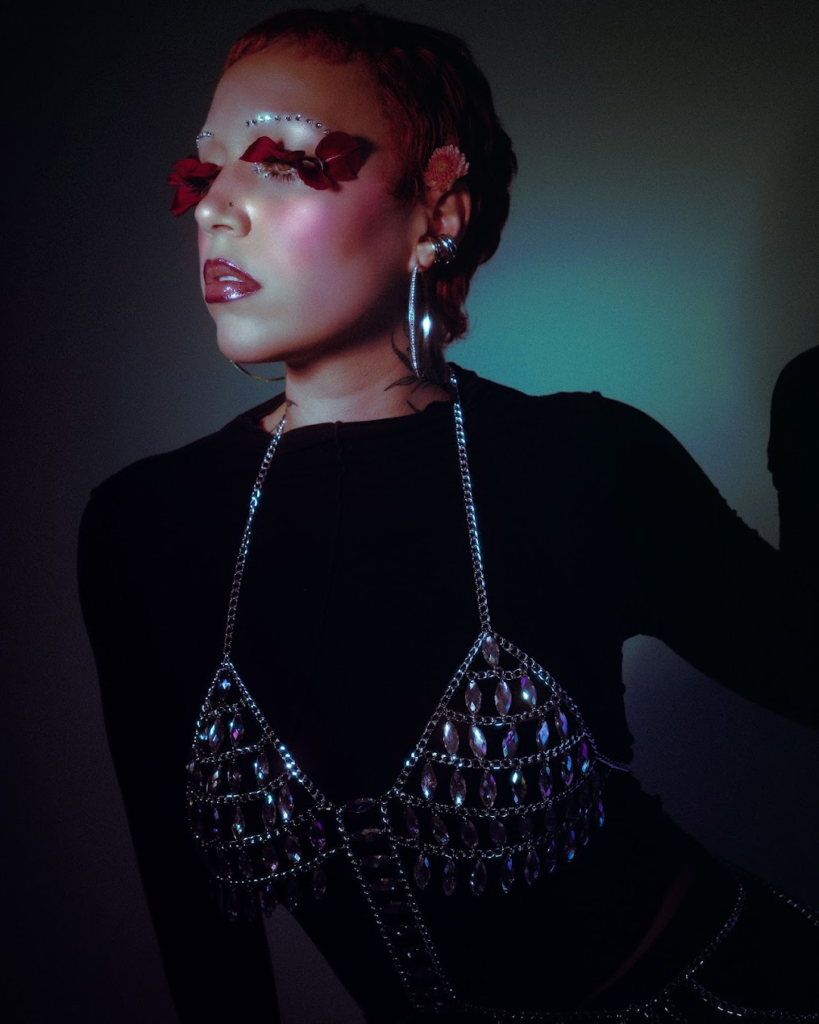
I think JULITH is this new chapter of artistry that reflects my life as it flows, and I’m really excited to see what the future holds.
Alana:
When you’re writing about something so heavy, how do you balance honesty with emotional self-protection?
JULITH:
Mm, that’s a really good question. I think it’s kind of like what I said earlier–it’s checking in with my body.
The body holds so much wisdom, and learning how to go inward and interact with my intuition is a process. When I’m writing, I can get ahead of myself, so I pause and check in like, “Okay, how does it feel if I say this out loud?”
Sometimes my body tells me no, it might feel like anxiety or a pit in my stomach. And then I’m like, okay, let’s hold onto that lyric for a second and see how it evolves.
So yeah, it’s an ongoing process of checking in with myself and being really real about the implications of what I’m saying.
Alana:
What do you think still needs to change within the music scene to make it safer and more supportive for women?
JULITH:
Oh my gosh. So many things.
I think the main thing is something I’ve noticed culturally too: we need to stop platforming abusers. Definitely. I’ve heard so many horror stories from friends–playing festivals where someone on the next stage is notoriously abusive, whether physically, sexually, financially–you know what I mean?
We have a responsibility collectively to protect one another. And at the same time, as a victim advocate, I do believe there’s potential for reform and reconciliation.
But there’s a fine line. There need to be consequences, that’s the bottom line. Especially in an industry where we’re sharing vulnerable truths, we have an obligation to create safe spaces where repeat abusers are not able to continue working.
Alana:
Definitely. I really hate seeing those people still headlining shows and festivals–and even selling them out. Like, are we seeing the same person here?
JULITH:
It’s crazy, dude.
Alana:
Right? People need to realize when it’s time to separate the art from the artist. Listening is one thing, but financially supporting them is completely different.
We live in a world where rapists, sexual assaulters, and known misogynists are handed massive stages and protected by global platforms, while the survivors and the artists who dare to speak out are sidelined, silenced, and denied opportunities. It is a sickening double standard. In an industry already dominated by men, it is a constant uphill battle to exist as a woman artist—but to be punished for having a moral compass while abusers are met with standing ovations is absolute bullshit.
I’ve seen this firsthand in my own local scene. I’ve watched enablers maintain massive followings and secure prime slots even when their history of harassment and violence is common knowledge. Meanwhile, the artists who stand up for what is right are labeled “difficult” and find it harder to get booked.
To the promoters, the industry gatekeepers, and the fans who go out of their way to provide these predators with a pedestal: shame on you. You are a joke for defending the indefensible just because the “music is good.” No song, no hook, and no beat will ever be more important than basic human decency and the safety of women and children. I understand the sting of realizing your idol isn’t who you thought they were, but once you know the truth, continuing to show up to their concerts and financially fuel their career makes you a part of the problem. If you can ignore a victim’s pain to keep supporting an abuser’s lifestyle, you are complicit.
Shame on the fans who attack those for speaking the truth, and shame on a system that rewards monsters while pushing survivors into the shadows.
Alana:
Speaking out about abuse, especially publicly, can be incredibly difficult. What keeps giving you the courage to keep doing that through your music?
JULITH:
I think it’s become a huge part of my purpose. I believe we make meaning in our lives, and what happened to me completely changed my life’s trajectory.
I know that’s true for every survivor in some way. The meaning I’ve made from it is: okay, this happened, and now I understand what it feels like, and I understand the long-term effects.
I feel a responsibility to use that knowledge and experience to serve my community. Right now, that looks like speaking about it in my music.
Down the line, I hope to make an even more tangible impact. But I believe we’re meant to be of service to one another–and this is part of my purpose.
Alana:
What can we expect from this new era with JULITH? Tours, shows?
JULITH:
Yes–definitely shows coming soon! Dates are TBD, but I’m working on it.
And a lot more music. I have so much in the pipeline. I’m so excited. JULITH is all about just putting that shit out there, so I’m ready to rumble.
Alana:
If someone is hearing JULITH for the first time through this EP, what do you hope they walk away feeling?
JULITH:
I hope they walk away feeling like a bad bitch. I hope they feel seen, heard, and understood.
And I hope they feel so fucking empowered to be themselves and show up however feels most authentic to them.
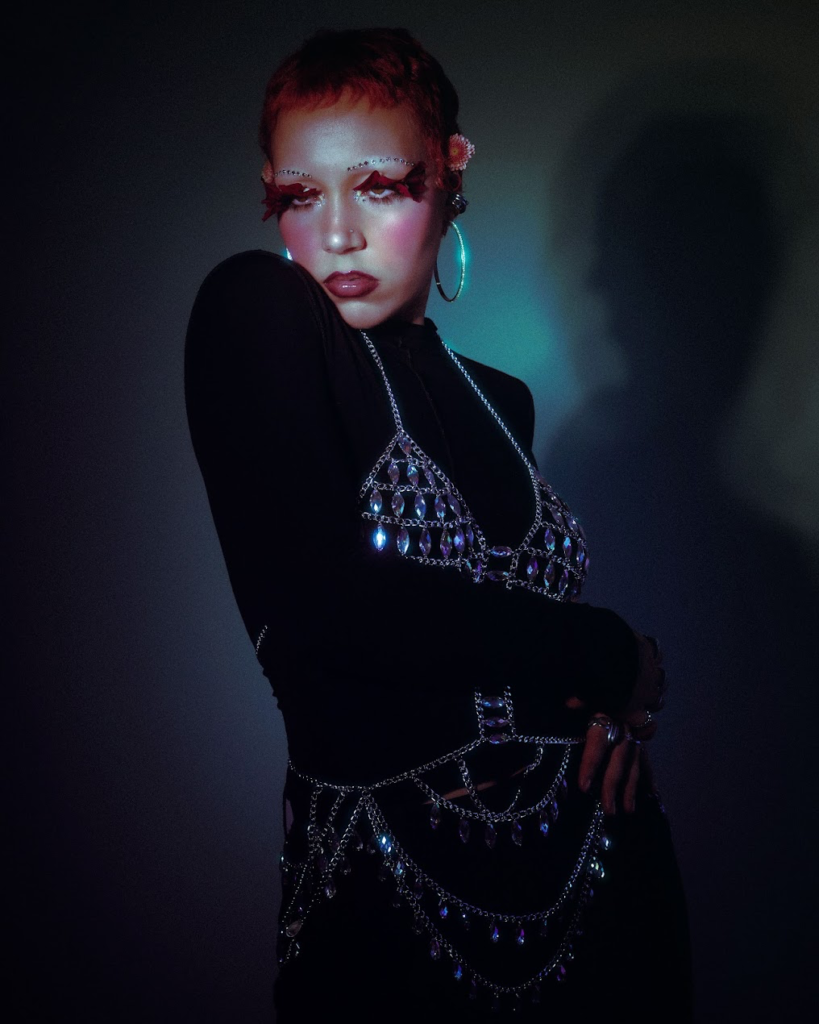
My conversation with JULITH was a reminder that the “cold, hard truth” is the only thing capable of clearing the path for real change. I walked away from our call not just as a fan of her music, but as someone deeply moved by her presence. There is a rare, radiant grace in her—the kind that only comes after you’ve fought like hell to reclaim your own joy.
As a fellow advocate, I know that this fight isn’t just about the music industry; it’s about the fundamental safety and dignity of every woman. We cannot claim to live in a free or just society while we continue to protect predators and sideline survivors. “No one is free until we are all free,” and that includes being free from the fear and silence that domestic and sexual violence impose on women.
It is exhausting to fight against a system that often seems to love the art more than the person who made it, and it is infuriating to see abusers take up space that belongs to the brave. But seeing JULITH stand so firmly in her truth makes the “uphill battle” feel a little less lonely.
We are living in a pivotal moment for women’s rights and the safety of survivors. To support JULITH is to support the idea that our stories are not meant to stay private for the sake of other people’s comfort. It is a reminder that we have a voice, and we have the right to use it—even if we have to scream. This Is A Kindness is more than an EP; it’s an invitation to stop hiding. It is a demand for a better industry and a more compassionate world. If you listen to one thing this year, let it be this project.
Let it remind you that you are worth the struggle, you are worth the healing, and you are worth the sound of your own voice.