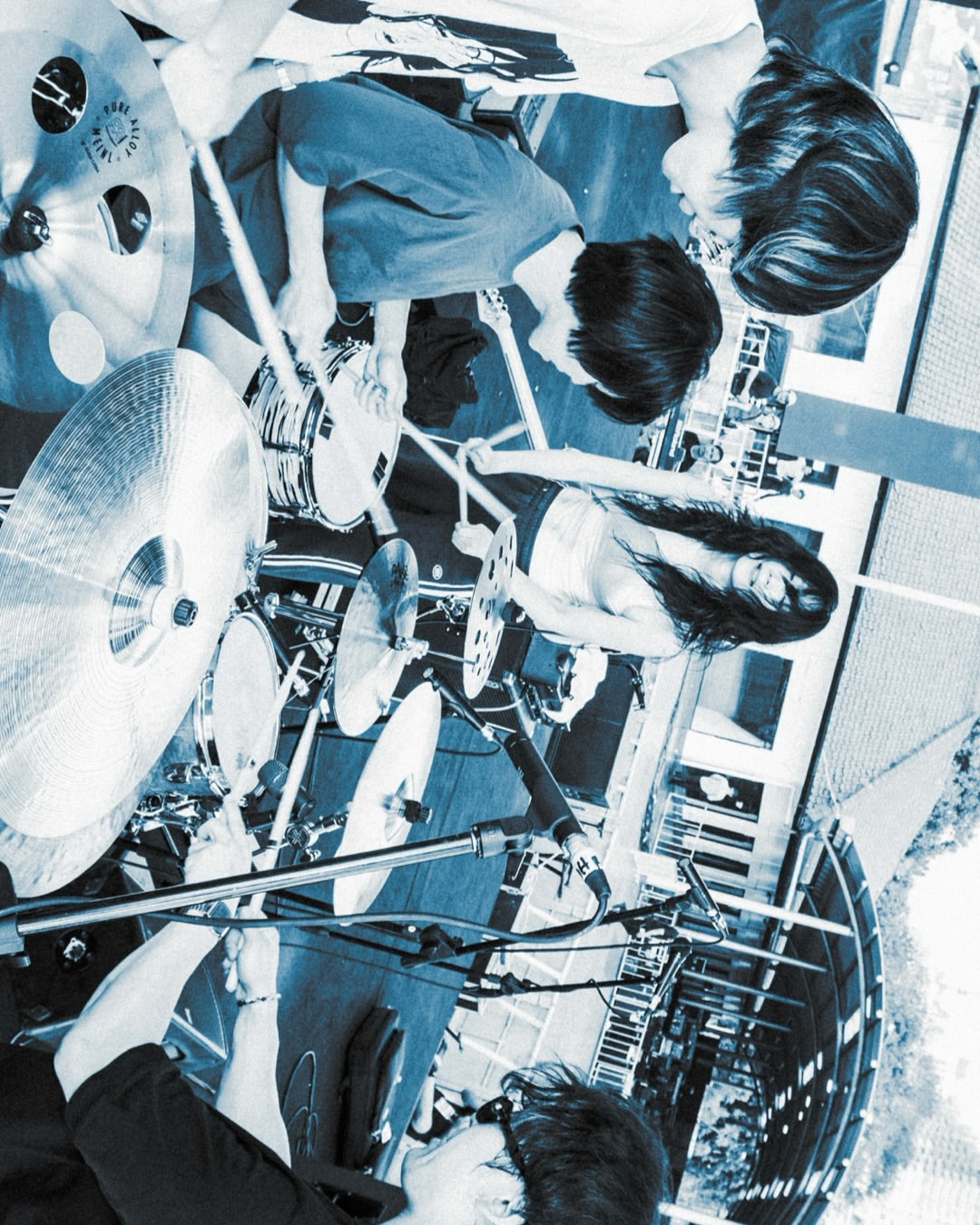
Photo by @jinnypark_photography
Asian music is so much more than K-pop. There’s a sentence that feels almost ridiculous to have to say in 2026.
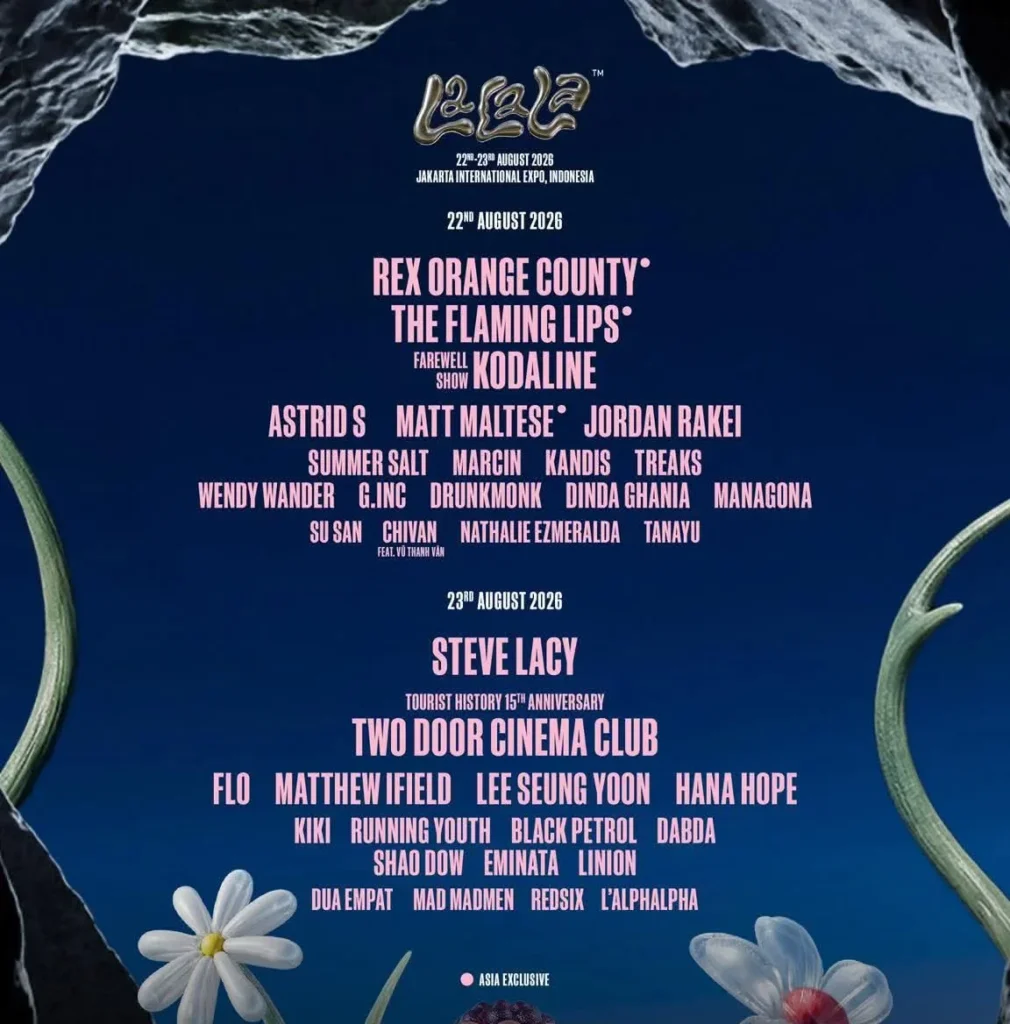
Cult Machine attended our first Indonesian music festival at LaLaLa Fest 2026, and I was fortunate enough to attend on behalf of Cult. Beyond the strict choreographies, extravagant costumes and big labels, yes, Asia has its own massive and beautiful community of indie acts beyond K-pop.
And I know this probably sounds like a silly thing to point out because, obviously, Asia makes music outside of K-pop. But it’s interesting how, from the outside, it sometimes feels like Asia gets categorised as one country, with K-pop becoming the easiest reference point for what “Asian music” is supposed to sound like.
No hate for K-pop at all. I love that K-pop has created such a huge global community and brought so many people towards music from Asia. But Asia is huge. There are so many countries, scenes, languages, cultures and genres here that exist completely outside of it.
I talked with DABDA, MANAGONA and Running Youth, three bands from LaLaLa Fest’s packed lineup, who all come from completely different places and make completely different music.
MANAGONA are an experimental music duo from Taiwan, made up of Lee Mao-Sung and Cheng Wan-Yi. Both studied at the Conservatoire de Versailles in France, and their music brings together sound art, contemporary composition and visual technology. Percussion, marimba and synthesizers sit alongside electronic sounds, with minimalist influences from composers like Terry Riley and Iannis Xenakis.
Then there’s Running Youth, the electronic indie pop duo formed by Hongkongers Soft Liu and Soni Cheng after moving to Taiwan during the pandemic. Their music has grown out of that experience of moving between places, with their sound constantly developing as they figure out what feels right to them.
And Seoul-based DABDA, an indie rock quartet known for their math rock-leaning sound, sharp rhythms and bigger, emotionally charged arrangements. After more than a decade together, they’re now entering another chapter with their second full-length album, six years after their first.
Three bands, three very different sounds. Exactly why I wanted to have these conversations.
For MANAGONA, genre doesn’t seem particularly important in the first place. Their music brings together traditional acoustic instruments, electronic sounds and visual technology, with the visual side of their work developing alongside the music. When I asked whether they saw the project as a conversation between old and new, they agreed.
When it came to putting a label on what they make, their answer was even more fitting. Music is its own language. It doesn’t matter whether you speak Mandarin, English or French–you can still find something in it.
Running Youth have a slightly different relationship with the idea of where their music belongs. Before moving to Taiwan, the pair had another band in Hong Kong that leaned more towards alternative rock. Running Youth became something new after the move, and Liu says she thinks of their music as having more of a Taiwanese style now.
But even after several years of making music together, they’re still figuring things out. There’s a balance between making the music they genuinely want to make and making something that people can connect with. Some songs might lean more pop, but they’ll still throw in a strange arrangement or phrasing somewhere because they don’t want to lose what makes the project theirs.
Having experienced both Hong Kong and Taiwan’s scenes, Liu also pointed out how different the two can be. She describes Hong Kong’s indie scene as narrower, where certain sounds are more expected–rock, Japanese-style rock, or music with really singable melodies. Taiwan, with its larger market and wider range of audience tastes, feels more free.
And maybe that’s something that gets lost when we talk about “Asian music” as one thing. Even within Asia, every scene is completely different.
At the same time, Running Youth have noticed that those scenes are becoming more connected. Bands from different countries are collaborating and crossing over more, making it easier for music to travel around Asia.
DABDA have seen something similar from Korea, although they’re still realistic about where the country’s indie scene stands. There are more young people around the scene now, but they don’t think there’s necessarily that much space for alternative music yet.

Which brings us back to K-pop.
When I asked DABDA what they wished people outside Korea knew more about, the answer was pretty simple: there are more Korean indie artists to listen to.
Running Youth said almost exactly what the title of this piece is trying to say and how Asian music is not equal to K-pop.
Liu explained that when people in Europe or the US think about Asia, K-pop is often the first thing that comes to mind because of how huge it has become. There are people who are interested in other Asian music scenes, but she wishes more people would actually discover them. And I guess that’s really what I’m trying to get at with this article.
It feels almost silly to have to explain that Asia makes music outside of K-pop. Obviously we do. But when you look at the way Asian music is often talked about internationally, it can feel like we’re being grouped into one big category, as if a continent of billions of people can somehow be represented by one genre.
Besides these three amazing bands, some of my other favourites are Wave to Earth and Silica Gel, who have been making waves for a while. Balming Tiger is great, Shye, Grrrl Gang, Sunset Rollercoaster, Tuesday Beach Club, The Cottons—there’s one for everyone.
And these bands are from everywhere, by the way. Not just one specific part of Asia because, again… we’re a continent. A big, diverse, beautiful one with so much culture, so many different scenes and so much music to discover.
There are indie bands in Taiwan. There are experimental artists in Japan. There are rock scenes in Korea. There are musicians making completely different things in Indonesia, Thailand, the Philippines, Hong Kong, Singapore, Malaysia, India and everywhere else across the continent.
These bands deserve just as much attention.
Not because they’re Asian, or because they exist outside of K-pop. Because they’re making really damn good music.
So yes, listen to K-pop. Listen to everything. Just please don’t stop there!