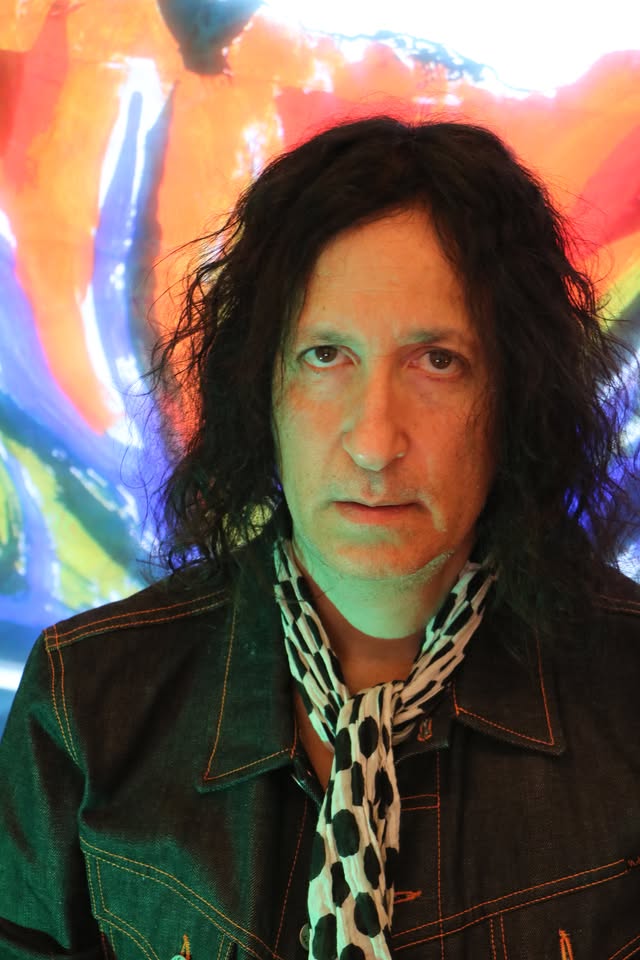
In August of 2025, I had the privilege to speak to legendary producer Gordon Raphael through a quick Zoom call about his creative process, pivotal studio moments, lessons learned from iconic collaborations, and personal stories behind his songs, including an inside look at his (then) recent album, Good Morning Mrs Sunshine. He reflected on how experimentation, emotion, and a passion for authentic music continue to drive his evolving artistry.
Being a long-time fan of The Strokes and Gordon’s work, I was extremely nervous. It was such an honour to speak with someone who has produced so much incredible music that represented a generation. It also happened to be my first ever interview, which definitely didn’t help. Why my very first interviewee ended up being THE Gordon Raphael, I still don’t quite understand. I was terrified of making a fool of myself! That anxiety quickly faded once he started talking. His enthusiasm for music and the stories behind it was infectious. During our conversation, he mentioned that he now lives in a small town in the UK after growing tired of New York.
What followed was a warm and thoughtful conversation about music, creativity, and the stories behind some of his work. Here’s our conversation.
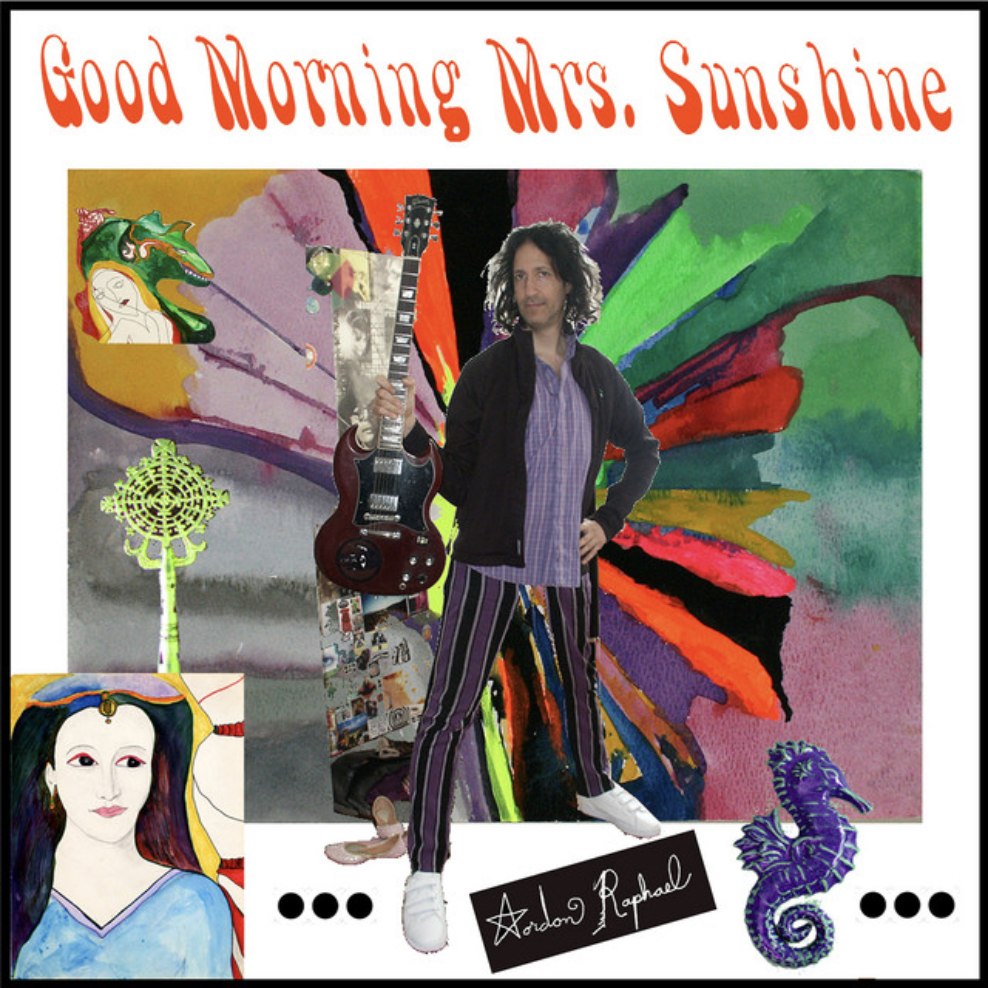
Alana: Can you share the story behind your new album ‘Good Morning Mrs. Sunshine?’
Gordon: I was living in Berlin, during Christmas time. I didn’t have a lot of work so I said to myself that everyday I’m going to start a new song at 6 at night and by 2 in the morning I’ll have a finished song along with a piece of art work.
My goal was to start from complete nothingness, finish a song, make an artwork and publish it in one evening for 18 days straight.
I had no limitations on what kind of style this album should be. I let myself do whatever that came into my mind.
Alana: Are there any moments in your life that you put into a song that is still one of your favourite songs to this day?
Gordon: I was all by myself in the studio during Christmas break and there was a girl that I really really liked and I was really scared and angry because I didn’t think she’d like me back and I felt really uneasy in myself. So I decided to make a song about it. It’s on my album ‘Floodlight of The Moon’, the song is called Superstrong.
That night, after I finished the song she buzzed the buzzer of the studio and came down. I played her the song and we started kissing! I’ll never forget that experience, and the song has it all inside of it.
Alana: When you think back to the early days of your career, is there any moment that stands out as a turning point that really shaped your approach as a producer?
Gordon: I got my first synthesizer in the 70s, and I didn’t know how to use it because it was very complicated. One night I took a hallucinogenic substance, I put headphones on and was just moving the knobs on my synthesizer in the dark. Suddenly I heard the sound of the wind and also a cat. Then there was a strange voice that said “Gordon, I’m going to show you how to make sounds on me.” and from that moment on I can make any sound I wanted on that synthesizer to this very day. I can make the craziest sounds, anything that comes to my imagination I can just quickly find it.
Alana: With the rise of AI and technology becoming more prominent in the arts, what are your thoughts on AI being used in music?
Gordon: Honestly I have not spent any time thinking about it. There’s one issue that I think about in music: what’s the story that this person is trying to tell about their experiences in life and how is that going through their music when I’m listening or working with it?
I just want to hear people tell me the stories of how they became that way. I’m sure AI can generate a story but I want to see a person telling me their story with their mouth and how it affects their singing. Like they’re talking about something so intense that they’re growling or they’re closing their eyes, I want to see the emotions.
Alana: What’s a piece of advice you want to give to new musicians who are just starting out recording in the studio?
Gordon: Surround yourself with things you love. Spend as much time as you can with music and people that you love. Don’t waste your time working on music that you don’t enjoy or hang around with people that bring you down. Good things will happen if you surround yourself with people that are supportive, fun, charming and talented.
Alana: From working with so many different bands and artists with a lot of different styles, how did your experience as a producer influence the way you approached writing and recording your own material?
Gordon: I recorded my own stuff for a decade and a half before I ever worked on other people’s music regularly. I learned everything working on my songs and I applied that to how I worked with other people. But when I started recording band after band, I saw many different examples of things I wouldn’t necessarily do but I could learn from it. Everybody wants something different, like some people prefer their backing vocals to be very quiet and drums louder and things like that.
Alana: Like you said everybody want’s something different, surely there’s a difference when working with different musicians from different ages and generations. Is there a specific style or thing that differentiates the generations?
Gordon: The biggest example I can give is when I was really starting to use computers and Pro Tools in New York at the end of the 90s, like from the grunge period everyone wanted the biggest drum sounds in the world, using the computer and extra samples underneath it to get that giant drum sound.
Then I met this band called The Strokes. I showed them what I had learned hardly about the giant drum sounds and asked them ‘How do you like that?“ And they said “Why does it have to be so loud? Turn it down!” (I’ve never heard anyone tell me to turn down the drums before)
Alana: What’s one thing you’ve seen change in music production over the years that excites you the most?
Gordon: In the old days, people took a lot longer on a song (many many hours, even days) and now because of budgets the bands practice before they come in the studio and we can get 3 songs done in a day now instead of spending hours on the guitar, hours on the vocals and hours on the drums.
Alana: Can you recall anything that took you a really long time to do?
Gordon: I spent almost a year just working on the demos for First Impressions of Earth for The Strokes. I think they spent another 2 years recording that album. I wasn’t there for the ending of that process, but spending a year to develop demos for a song was already so strange.
Two Things Gordon Learned From Working with The Strokes
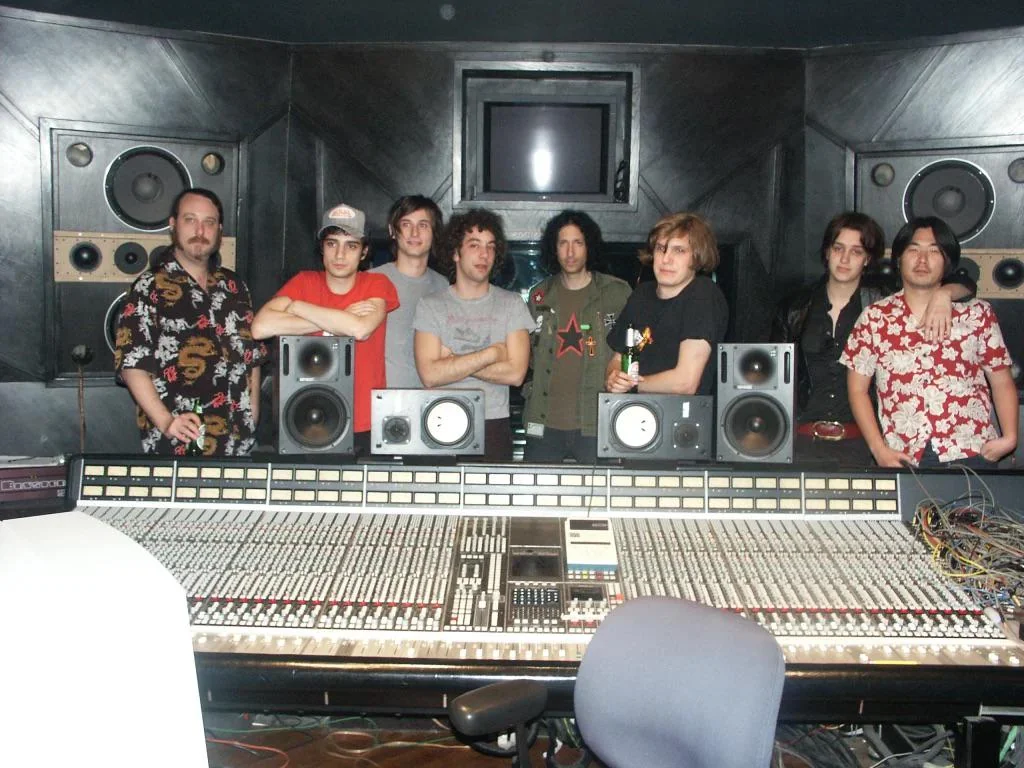
Gordon: 1. Listen to the people you’re working with when they’re telling you their ideas.
Don’t try to talk them out of their ideas, let them hear their own ideas. Let them try and then they can talk about if they end up liking it or not after. It’s better to let them do it or to argue on why it wont work.
2. You would be surprised how much work you could do and how long you can concentrate and how much energy you can put out.
I have never worked so hard on any project as the first two albums of The Strokes.
Alana: How do you feel about being a part of– or producing something so special that even until now people are still constantly talking about that record?
Gordon: I feel very blessed. It would be cool if it was popular for just 3 years! But 20-odd years later and people are still interested in it? That’s a huge blessing.
Recommendations
Alana: Is there a particular track or album in your career that you wish more people talked about, or one you think deserves more attention?
Gordon: There’s a group from Majorca, Spain called Satellites. I worked with them before The Strokes. The record I worked with them on was called ‘Our Very Bright Darkness’. That record is out of this world.
Alana: Recommend some releases that you want more people to know about!
Gordon: My album called ‘I Lick The Moog’. That’s like one of my best albums ever and nobody knows about it, but I’d be really happy if more people listened to it.
Before they changed their name to T-Rex, they were called Tyrannosaurus Rex. (And when they were still called Tyrannosaurus Rex) They made an album called Beard of Stars and that’s an epic record that not many people talk about but should talk about.
For my first interview, I couldn’t have asked for a more memorable conversation. Gordon’s openness, humour, and enthusiasm made the experience feel less like a formal interview and more like a long discussion about the strange and wonderful ways music comes into existence. If anything, the conversation is a reminder to revisit the records he mentioned, and maybe discover a few new ones along the way.
Interview conducted via Zoom in August 2025.